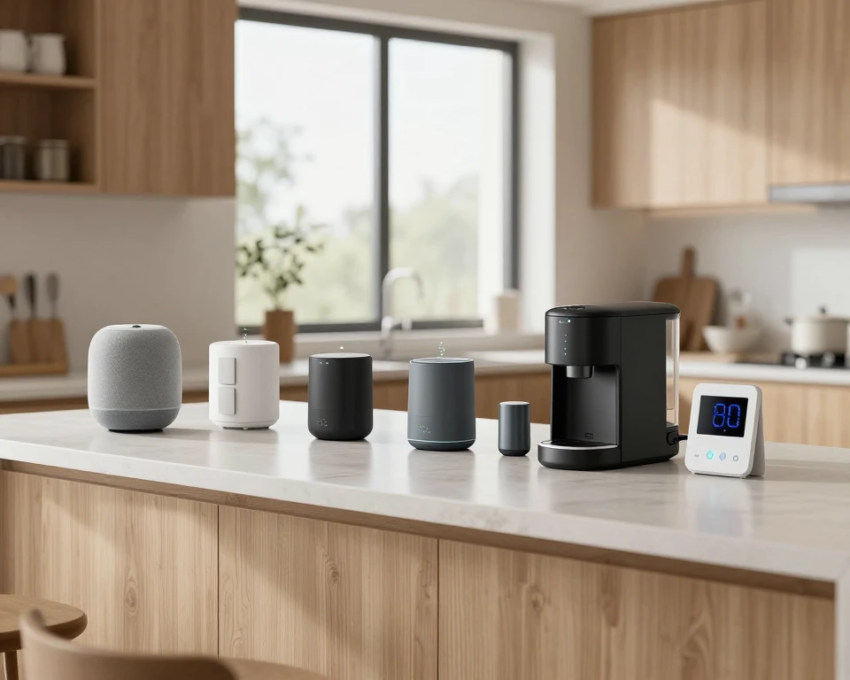
Smart home devices are transforming the way people live by bringing automation, convenience, and security into everyday life. From controlling lights with a voice command to managing home security through a smartphone, smart home technology is making modern living more comfortable and efficient. As technology continues to evolve, smart homes are becoming more accessible and popular around the world.
In this article, we will explore smart home devices in detail, their types, benefits, working systems, and how they are shaping the future of everyday life.
What Are Smart Home Devices?
Smart home devices are electronic gadgets that connect to the internet and can be controlled remotely using smartphones, tablets, or voice assistants. These devices use technologies like Wi-Fi, Bluetooth, and Artificial Intelligence (AI) to communicate with each other and perform automated tasks.
The main goal of smart home devices is to make daily life easier, safer, and more energy-efficient. They allow users to control household appliances even when they are not at home.
Common examples include:
- Smart lights
- Smart thermostats
- Smart security cameras
- Smart speakers
- Smart locks
- Smart appliances
The Growth of Smart Home Technology
Over the past decade, smart home technology has grown rapidly. The rise of the Internet of Things (IoT) has played a major role in connecting devices and enabling automation.
Today, more households are adopting smart devices due to:
- Increased internet availability
- Affordable smart gadgets
- Rising demand for convenience
- Focus on energy saving
- Improved home security needs
Tech companies are continuously innovating, making smart home devices more advanced and user-friendly.
Smart Lighting – Control Your Home’s Ambience
Smart lighting is one of the most popular categories in smart home devices. It allows users to control lights remotely using apps or voice commands.
Features of Smart Lights
- Remote control via smartphone
- Brightness adjustment
- Color changing options
- Scheduling and timers
- Voice assistant integration
Benefits of Smart Lighting
1. Energy Efficiency
Smart lights consume less energy and can be turned off automatically when not needed.
2. Convenience
Users can control lights without physically switching them on or off.
3. Customization
Lighting can be adjusted according to mood, time, or activity.
Smart lighting adds both comfort and style to modern homes.
Smart Speakers – Voice-Controlled Assistance
Smart speakers are devices powered by virtual assistants like Alexa, Google Assistant, or Siri. They respond to voice commands and can control other smart devices in the home.
Features of Smart Speakers
- Voice commands
- Music playback
- Smart device control
- Weather and news updates
- Reminders and alarms
Benefits of Smart Speakers
1. Hands-Free Control
Users can perform tasks without using their hands.
2. Smart Home Integration
Smart speakers act as a central hub for controlling other devices.
3. Entertainment
They can play music, podcasts, and audiobooks instantly.
Smart speakers make homes more interactive and intelligent.
Smart Security Systems – Protecting Your Home
Home security is one of the most important uses of smart home devices. Smart security systems provide real-time monitoring and alerts to keep homes safe.
Key Smart Security Devices
- Security cameras
- Video doorbells
- Motion sensors
- Smart locks
- Alarm systems
Benefits of Smart Security
1. Real-Time Monitoring
Users can check their home from anywhere using mobile apps.
2. Instant Alerts
Any suspicious activity is immediately reported to the owner.
3. Remote Access
Doors can be locked or unlocked remotely.
4. Increased Safety
Smart systems reduce the risk of theft or unauthorized access.
Smart security devices give homeowners peace of mind.
Smart Thermostats – Energy-Efficient Climate Control
Smart thermostats help control indoor temperature automatically based on user preferences and habits.
Features of Smart Thermostats
- Temperature scheduling
- Remote control via app
- Learning user preferences
- Energy usage reports
Benefits
1. Energy Savings
They reduce unnecessary heating and cooling.
2. Comfort
The home temperature is always maintained at an ideal level.
3. Automation
They adjust settings automatically without manual input.
Smart thermostats help reduce electricity bills while maintaining comfort.
Smart Appliances – Modern Kitchen and Home Living
Smart appliances include refrigerators, washing machines, ovens, and other household devices that are connected to the internet.
Examples of Smart Appliances
- Smart refrigerators with touch screens
- Wi-Fi enabled washing machines
- Smart ovens with remote cooking control
Benefits
1. Time Saving
Appliances can be controlled remotely, saving time and effort.
2. Efficiency
They provide better performance with less energy usage.
3. Smart Notifications
Users receive alerts for maintenance or completion of tasks.
Smart appliances bring automation into daily household chores.
How Smart Home Devices Work
Smart home devices work through a combination of technologies:
- Internet of Things (IoT): Connects devices together
- Wi-Fi/Bluetooth: Enables communication
- Mobile Apps: Allows remote control
- Artificial Intelligence: Learns user behavior
These technologies work together to create a fully automated home system where devices can communicate and respond automatically.
Benefits of Smart Home Devices
Smart home technology offers many advantages that improve modern living.
1. Convenience
Users can control all devices from one place using a smartphone.
2. Energy Efficiency
Smart devices reduce unnecessary energy consumption.
3. Security
Advanced monitoring systems enhance home safety.
4. Time Saving
Automation reduces manual tasks and saves time.
5. Remote Access
Users can manage their home from anywhere in the world.
Challenges of Smart Home Devices
Despite many benefits, smart home devices also have some challenges:
1. High Initial Cost
Some smart devices are expensive to install.
2. Internet Dependency
They require a stable internet connection to function properly.
3. Privacy Concerns
Connected devices may raise data security and privacy issues.
4. Compatibility Issues
Not all devices work together seamlessly.
However, technology is continuously improving to overcome these challenges.
Future of Smart Home Technology
The future of smart homes is very promising. With advancements in AI, IoT, and automation, smart homes will become even more intelligent and efficient.
Future Trends Include:
- Fully AI-powered homes
- Voice-controlled everything
- Advanced energy management systems
- Self-learning smart devices
- Better integration between devices
In the future, homes will not just be smart—they will be fully automated ecosystems that adapt to human needs.
Conclusion
Smart home devices are revolutionizing everyday life by offering automation, comfort, and security. From smart lighting and speakers to advanced security systems and appliances, these technologies are making homes more efficient and intelligent.
As the demand for convenience and energy efficiency grows, smart home devices will continue to evolve and become an essential part of modern living. They are not just luxury gadgets anymore—they are becoming a standard for future homes.