Introduction
Cyber security has become one of the most important priorities in the digital world. Businesses, governments, schools, financial institutions, and individuals depend on computers, smartphones, cloud services, and connected devices every day. As digital systems grow, cybercriminals are also developing more sophisticated methods to steal information, disrupt services, and gain unauthorized access.
Cyber security refers to the technologies, processes, and practices used to protect networks, devices, applications, systems, and data from cyber threats. A strong cyber security strategy can help prevent data breaches, malware infections, identity theft, ransomware attacks, and unauthorized access.
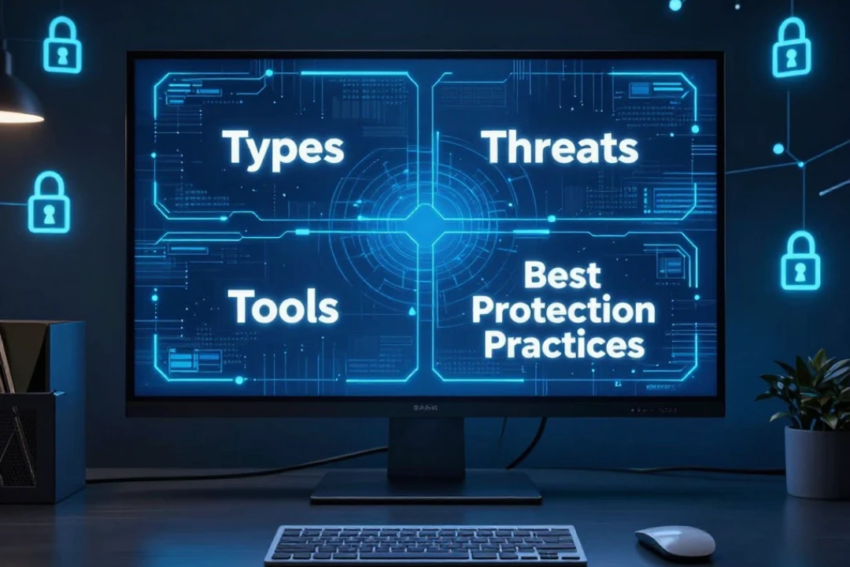
In 2026, organizations are increasingly combining traditional security tools with Artificial Intelligence (AI), machine learning, zero-trust security, cloud security, encryption, and automated threat detection. Understanding the different types of cyber security, common threats, essential tools, and best protection practices can help users stay safer online.
What Is Cyber Security?
Cyber security is the practice of protecting digital systems and information against unauthorized access, damage, theft, or disruption.
The main objectives of cyber security are often summarized through three principles:
- Confidentiality – Keeping information accessible only to authorized users.
- Integrity – Ensuring information remains accurate and is not improperly changed.
- Availability – Making sure systems and information remain accessible when needed.
These principles help organizations build secure and reliable digital environments.
Why Cyber Security Is Important
Cyberattacks can affect organizations of every size. A successful attack may result in financial losses, operational disruption, stolen customer information, reputational damage, or legal problems.
Strong cyber security helps protect:
- Personal information
- Financial records
- Customer databases
- Business systems
- Intellectual property
- Cloud applications
- Employee accounts
- Connected devices
As more businesses move their operations online, cyber security is becoming an essential part of digital transformation.
Types of Cyber Security
Cyber security includes several specialized areas. Each protects a different part of the digital environment.
1. Network Security
Network security protects computer networks from unauthorized access, attacks, and suspicious activity.
Common technologies include:
- Firewalls
- Intrusion detection systems
- Intrusion prevention systems
- Network monitoring
- Secure access controls
Network security is particularly important for businesses with multiple offices, remote workers, servers, and connected devices.
2. Application Security
Application security focuses on protecting software from vulnerabilities and attacks.
Developers use practices such as:
- Secure coding
- Vulnerability testing
- Code reviews
- Security patches
- Penetration testing
Security should be considered throughout the software development lifecycle rather than added only after an application is completed.
3. Cloud Security
Cloud computing has become essential for modern businesses, making cloud security increasingly important.
Cloud security protects:
- Cloud storage
- Virtual machines
- SaaS applications
- Databases
- Cloud networks
- User accounts
Important practices include encryption, identity management, access controls, monitoring, and regular security assessments.
4. Endpoint Security
Endpoint security protects devices connected to a network.
Examples include:
- Laptops
- Desktop computers
- Smartphones
- Tablets
- Servers
- Internet of Things (IoT) devices
Endpoint protection software can detect malware, suspicious applications, and unusual activity.
5. Data Security
Data security protects information from unauthorized access, modification, or theft.
Important techniques include:
- Encryption
- Data backups
- Access controls
- Data loss prevention
- Secure storage
Organizations should protect data both while it is stored and while it is being transmitted.
6. Identity and Access Management
Identity and Access Management (IAM) controls who can access systems and what they are allowed to do.
Security measures include:
- Strong passwords
- Multi-factor authentication
- Role-based access
- Single sign-on
- Privileged access management
IAM reduces the risk of compromised accounts causing widespread damage.
Common Cyber Security Threats
Cybercriminals use many different attack methods. Understanding common threats is the first step toward protecting against them.
Phishing
Phishing attacks use fake emails, messages, websites, or social media accounts to trick users into revealing sensitive information.
Attackers may request:
- Passwords
- Banking information
- Verification codes
- Account credentials
Users should carefully verify unexpected messages before clicking links or sharing information.
Malware
Malware is malicious software designed to damage systems, steal information, or provide unauthorized access.
Common forms include:
- Viruses
- Trojans
- Spyware
- Worms
- Keyloggers
Keeping software updated and using reputable security tools can reduce malware risks.
Ransomware
Ransomware is a type of malware that can encrypt files or disrupt systems and demand payment from victims.
Organizations can reduce ransomware risks through:
- Offline backups
- Network segmentation
- Security monitoring
- Regular patching
- Employee awareness training
Backups are particularly important because they can help organizations recover without relying entirely on attackers.
Password Attacks
Weak or reused passwords can make accounts easier to compromise.
Attackers may use:
- Brute-force attacks
- Credential stuffing
- Password spraying
- Stolen password databases
Using unique passwords and multi-factor authentication provides stronger protection.
Social Engineering
Social engineering attacks manipulate people rather than directly attacking technology.
Attackers may impersonate:
- Employees
- Managers
- Banks
- Technology companies
- Government organizations
Security awareness training can help employees recognize suspicious requests.
Essential Cyber Security Tools
Modern cyber security requires multiple layers of protection.
Firewalls
Firewalls monitor network traffic and can block unauthorized connections based on predefined security rules.
Antivirus and Endpoint Protection
Security software can identify and remove malicious files and suspicious activity from computers and other devices.
Password Managers
Password managers help users generate and securely store unique passwords.
They can reduce the risks associated with password reuse.
Multi-Factor Authentication
MFA adds another verification step beyond a password.
Examples include:
- Authentication applications
- Hardware security keys
- Biometrics
- One-time codes
MFA provides an additional layer of account protection.
Encryption Tools
Encryption converts readable information into a protected format that can only be accessed with the appropriate key.
Encryption is widely used for:
- Online transactions
- Messaging
- Cloud storage
- Business communications
- Sensitive databases
Best Cyber Security Practices
Following basic security practices can significantly reduce cyber risks.
Use Strong, Unique Passwords
Every important account should have a unique password. Avoid using easily guessed information such as names, birthdays, or common words.
A password manager can make managing multiple unique passwords easier.
Enable Multi-Factor Authentication
Turn on MFA whenever it is available, especially for:
- Banking
- Cloud services
- Social media
- Business accounts
MFA can protect accounts even if a password becomes compromised.
Keep Software Updated
Software updates often include important security fixes.
Regularly update:
- Operating systems
- Browsers
- Applications
- Security software
- Network devices
- Firmware
Ignoring updates can leave known vulnerabilities exposed.
Back Up Important Data
Maintain regular backups of important files.
A strong backup strategy may include:
- Local backups
- External storage
- Cloud backups
- Offline copies
Important backups should be protected from unauthorized access and ransomware.
Be Careful With Links and Attachments
Never open unexpected attachments or click suspicious links without verifying their source.
Check:
- Sender information
- Website addresses
- Spelling
- Urgency claims
- Unexpected payment requests
Attackers often use urgency to pressure victims into making mistakes.
Secure Wi-Fi Networks
Use strong Wi-Fi passwords and modern encryption standards. Keep router firmware updated and change default administrator credentials.
For sensitive activities, wired Ethernet can also provide a reliable connection.
Cyber Security for Businesses
Businesses require more advanced security strategies because they manage large amounts of valuable information.
Important measures include:
- Employee security training
- Endpoint protection
- Network monitoring
- Access management
- Data encryption
- Regular vulnerability assessments
- Incident response plans
- Secure backups
Businesses should also follow the principle of least privilege, giving users only the access required for their responsibilities.
Zero Trust Security
Zero Trust is an important modern cyber security approach based on the idea that no user, device, or connection should automatically be trusted.
Instead, systems continuously verify:
- User identity
- Device security
- Access permissions
- Application activity
- Network behavior
Zero Trust can be especially useful for organizations with cloud services, remote workers, and distributed networks.
The Role of Artificial Intelligence in Cyber Security
AI is becoming an important tool for detecting and responding to cyber threats.
AI-powered security systems can analyze large volumes of information and identify unusual behavior.
Potential applications include:
- Threat detection
- Fraud monitoring
- Malware analysis
- Automated alerts
- Security investigations
- Anomaly detection
However, cybercriminals can also use AI to create more sophisticated attacks. This means organizations need continuous security improvements.
Future of Cyber Security
The future of cyber security will likely focus on automation, AI, stronger identity protection, cloud security, and continuous monitoring.
Emerging technologies include:
- AI-powered security platforms
- Passwordless authentication
- Advanced biometric verification
- Zero Trust architecture
- Automated incident response
- Secure-by-design software
- Post-quantum cryptography
As computing and connectivity continue to evolve, security strategies will need to evolve as well.
Conclusion
Cyber security is essential for protecting digital information, devices, networks, applications, and online accounts. From phishing and malware to ransomware and password attacks, cyber threats can affect individuals and organizations of every size.
Understanding the major types of cyber security, using essential security tools, and following best practices such as strong passwords, multi-factor authentication, software updates, encryption, and regular backups can significantly improve digital protection.
For businesses, advanced strategies such as Zero Trust, cloud security, endpoint protection, identity management, and AI-powered threat detection are becoming increasingly important. As technology continues to develop, cyber security will remain a critical part of the digital world.
By adopting a proactive approach to security and staying informed about emerging threats, individuals and organizations can reduce risks and build a safer, more resilient digital environment in 2026 and beyond.